
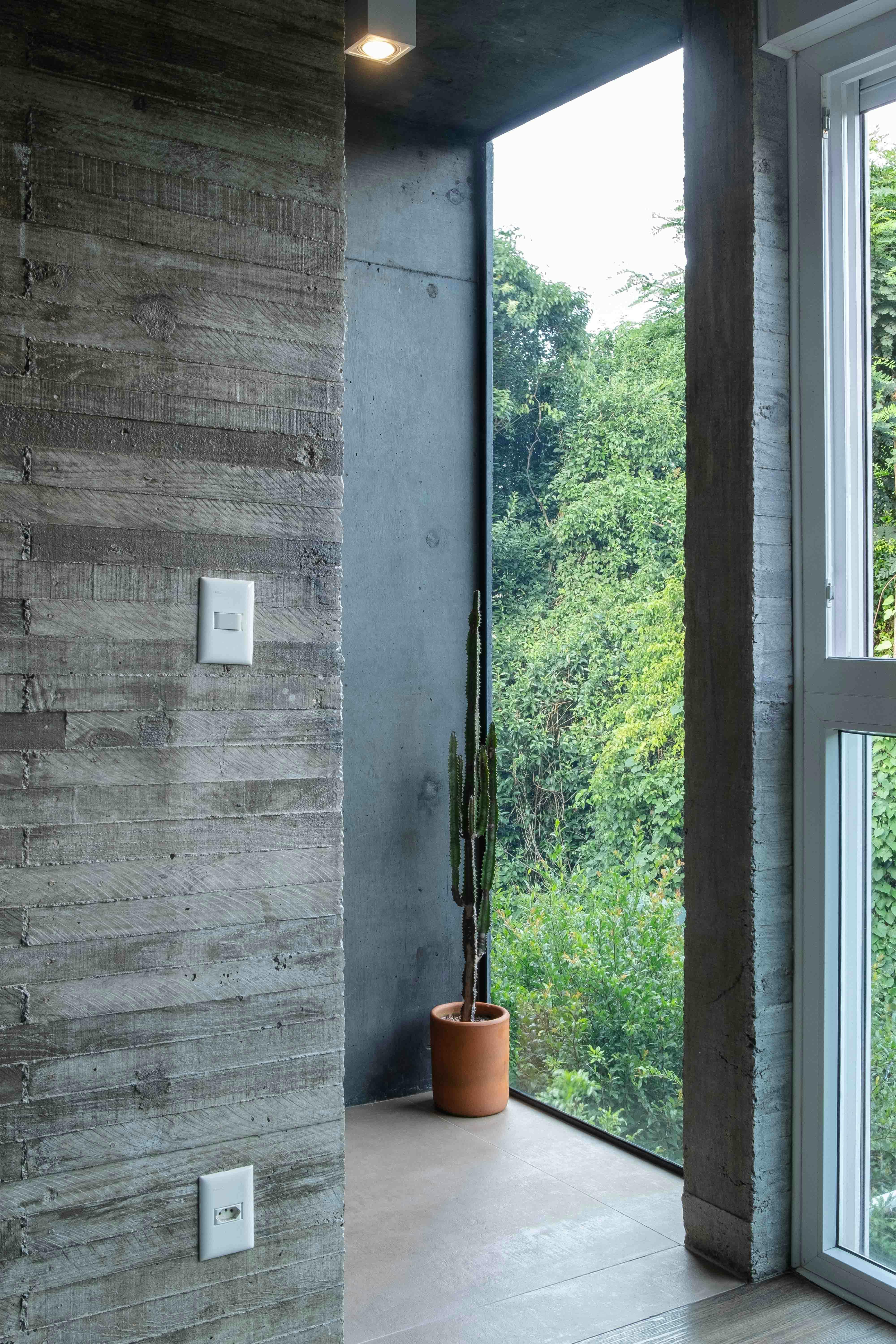
1) Door handles, push plates, and light switches
These are the most touched surfaces in almost any space — homes, offices, cafés, and shared buildings.
If you do one small hygiene upgrade, make it this: wipe these areas regularly with a surface‑safe cleaner and a clean cloth.
- Entrance door handle (inside and outside).
- Bathroom door handle and lock.
- Light switches near kitchens and bathrooms.
2) Remote controls, phones, keyboards, and shared devices

Electronics collect oils, dust, and microbes — and they're handled constantly.
The goal isn't soaking anything. Use lightly damp microfiber (not wet), and products suitable for electronics where needed.
- TV remotes and shared tablets.
- Office keyboards and mice.
- Work phones and desk handsets.
3) Kitchen contact zones
Kitchens don't need perfection. They need smart priorities: handles, edges, and places where hands and food paths cross.
A clean countertop is great — but the most missed spots are often the ones you touch without thinking.
- Fridge handle, oven handle, cabinet pulls.
- Trash bin lid and pedal.
- Coffee machine buttons and kettle handle.
4) Bathroom touch points
Bathrooms are less about strong chemicals and more about routine: touch points, moisture control, and correct cloth use.
Wiping the obvious areas helps, but handles and flush buttons often matter more for everyday hygiene.
- Flush button/handle.
- Faucet handles and soap dispenser.
- Toilet seat hinges and contact edges.
5) Floors near entrances
Most dirt enters from outside — and once it's inside, it spreads.
Keeping the first few meters clean (and dry in wet weather) makes the whole space feel cleaner with less effort.
- Entry mats (shake/vacuum regularly).
- First hallway zone (quick vacuum or mop as needed).
- Shoe storage area (dust and wipe).
A simple routine that works
You don't need to clean everything every day. Pick a small set of high‑touch points and keep them consistent.
If you want a simple schedule: high‑touch points a few times per week, kitchens and bathrooms at least weekly, and entrances as often as the weather demands.
Tip: If you're unsure what your space needs, start simple: define what matters most (hygiene, appearance, or protection of surfaces) and build your routine from there.
Need help? Request a quote Back to blog